
Redwood forest to care for
Conservation, access and local jobs
Healthy forests support both
Management and monitoring
Forest management is the active stewardship of our redwood forests to create healthier, more resilient ecosystems. Through science-based practices, we improve forest structure, enhance habitat, reduce fire risk, protect water resources, and ensure these lands continue to benefit our communities for generations.
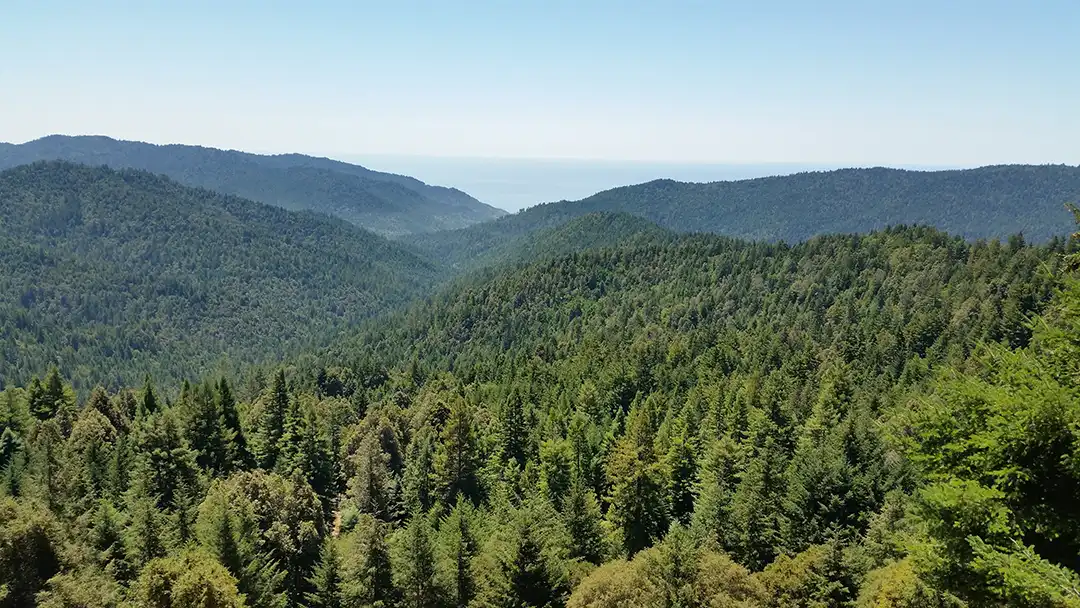
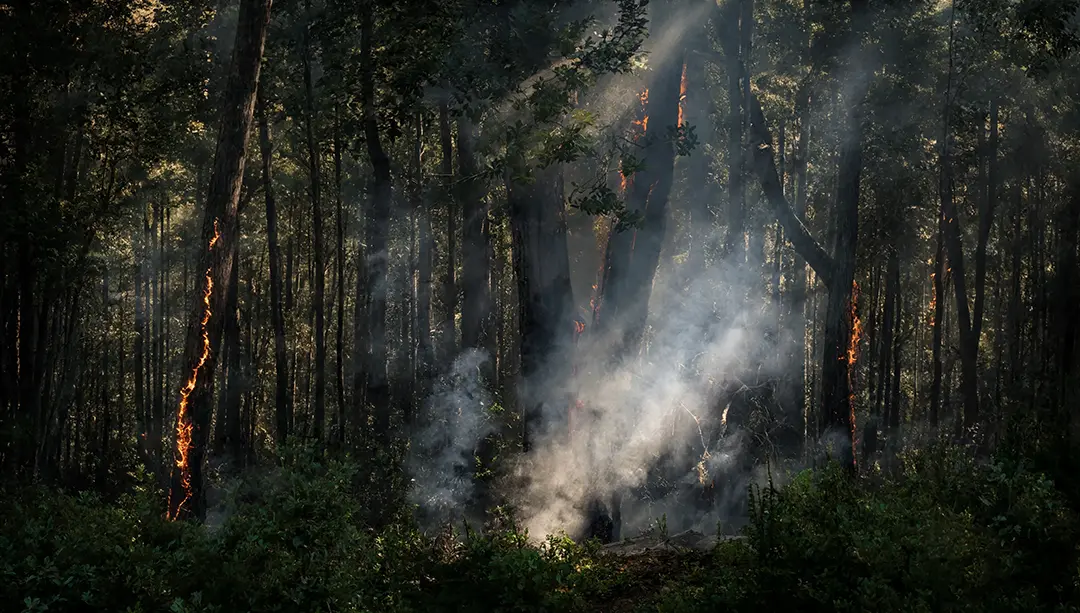
Improve forest structure, reduce fire risk, and increase resilience to climate change.
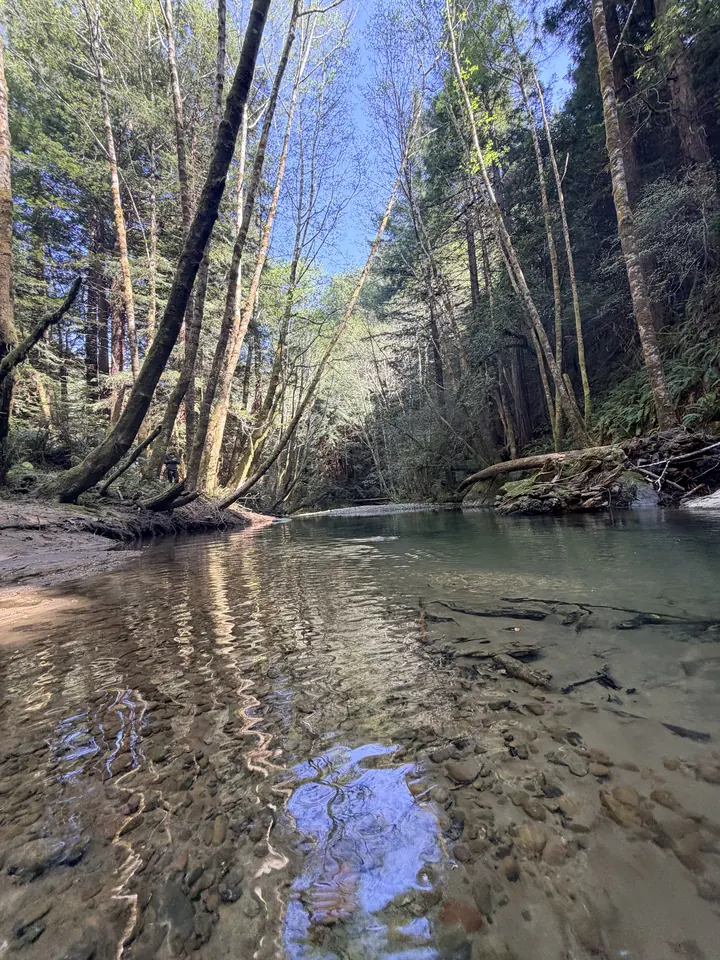
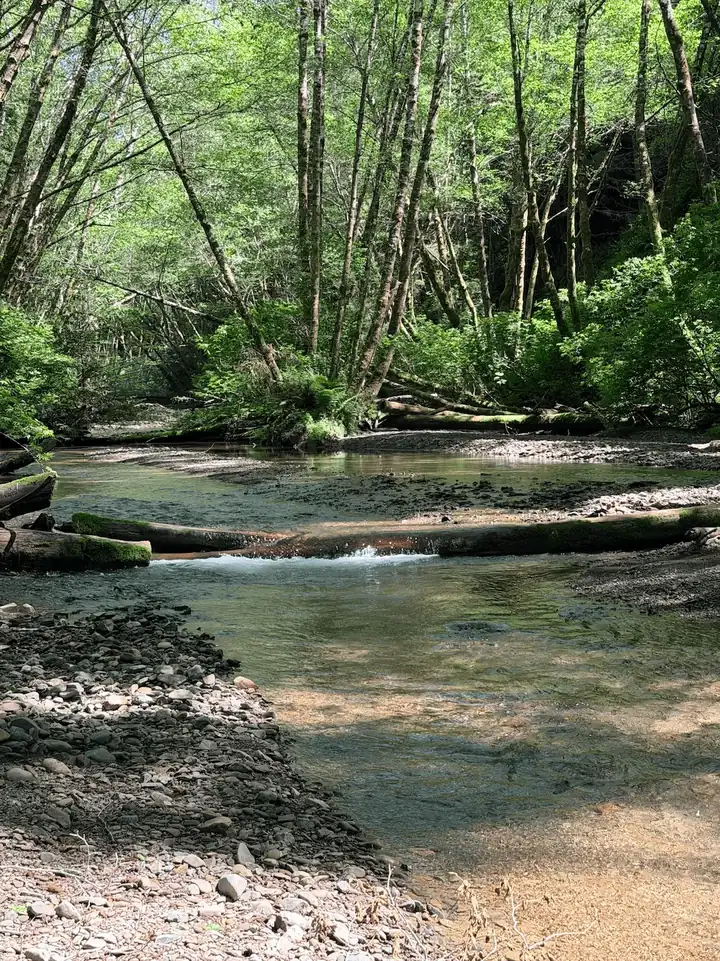
Protect clean water, healthy streams, and functioning watersheds.

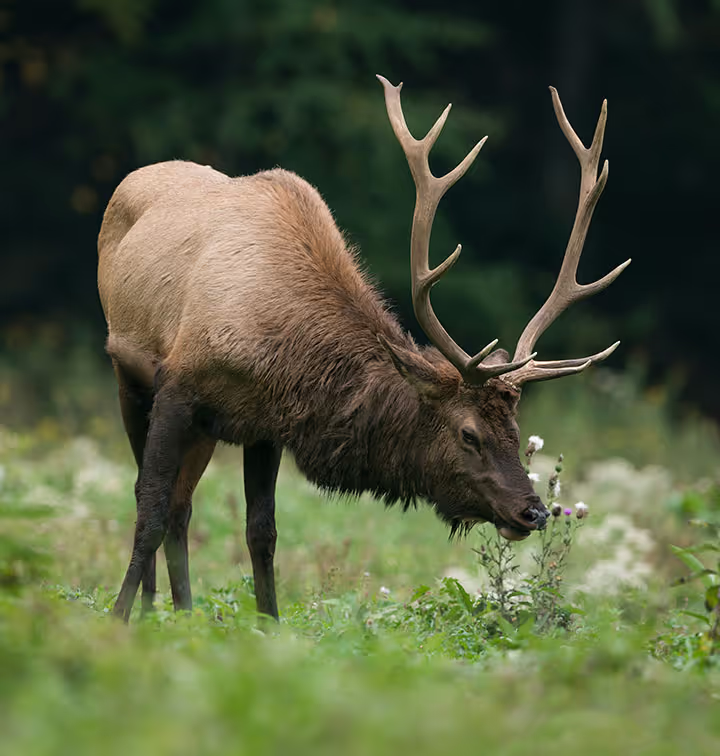
Create diverse habitats for iconic and everyday species across the forest.
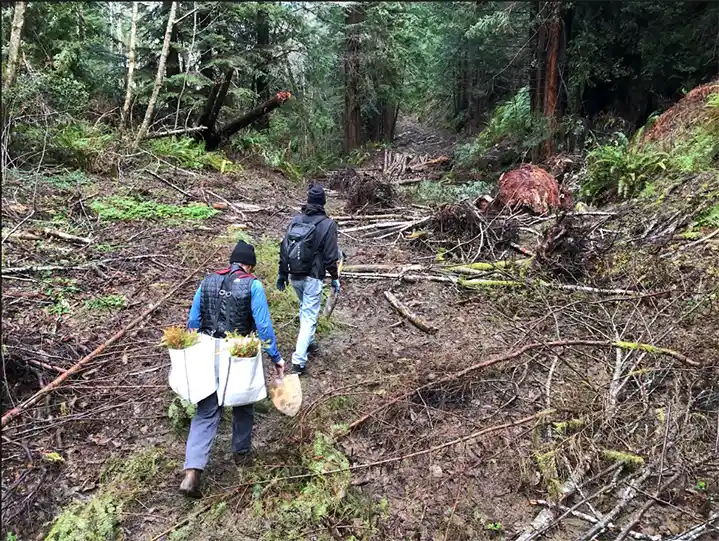
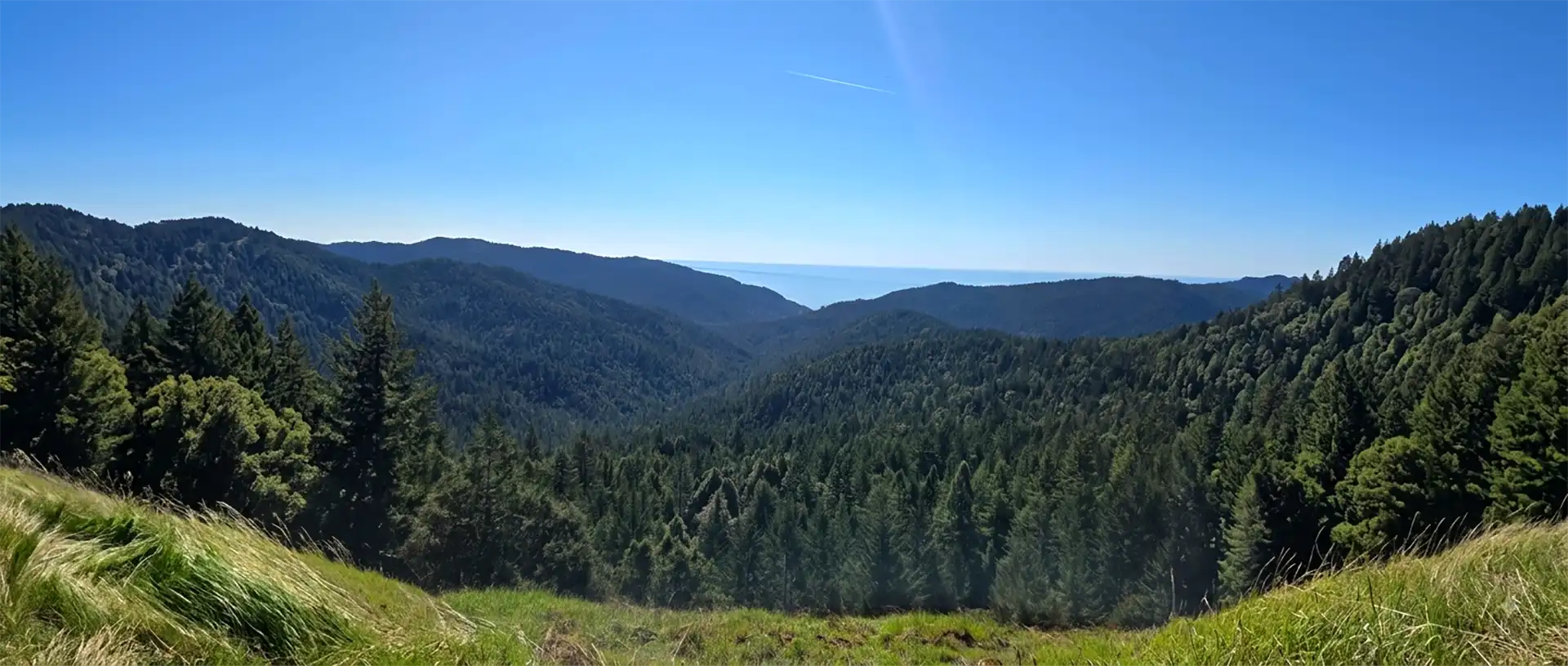
Sustain local jobs, public access, and a healthy forest for future generations.
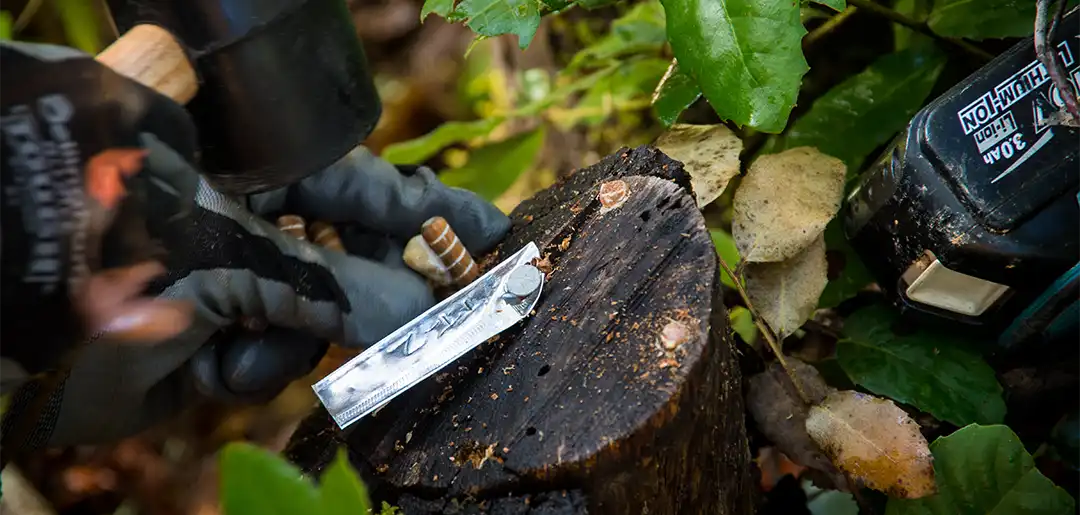
Carefully remove smaller, competing trees to create healthier, more resilient forest structure.
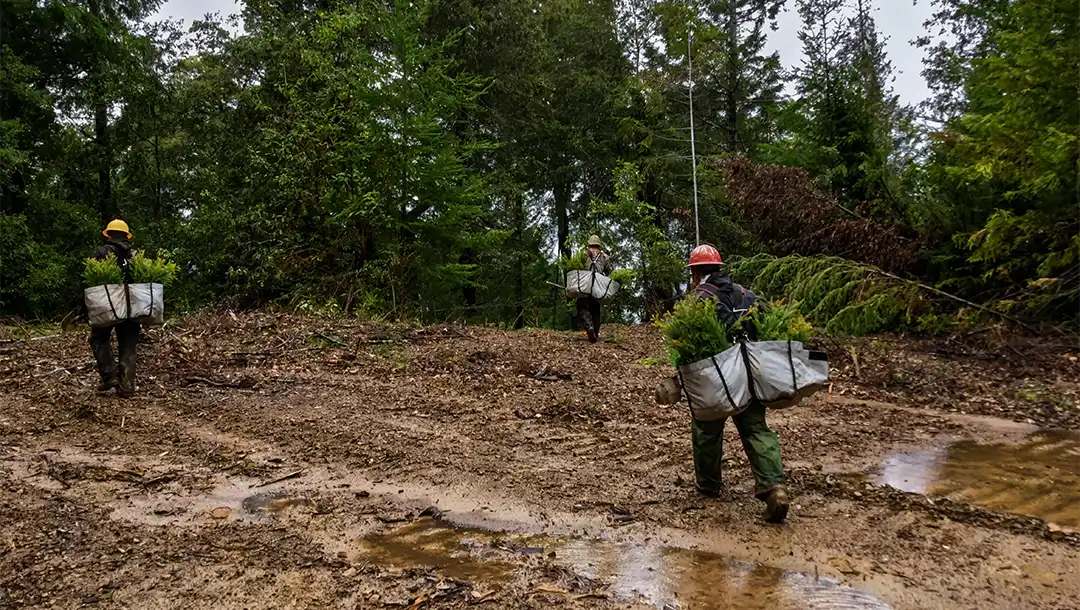
Maintain a safe, sustainable road network and prevent erosion into our watersheds.
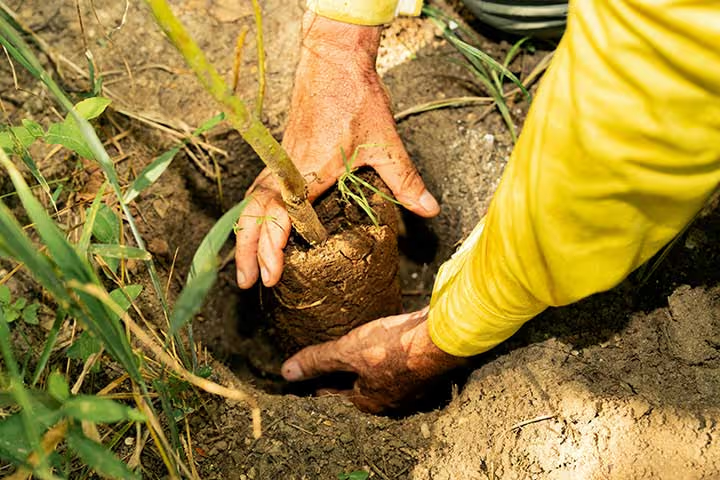
Support natural regeneration and plant trees where needed to build the next generation.
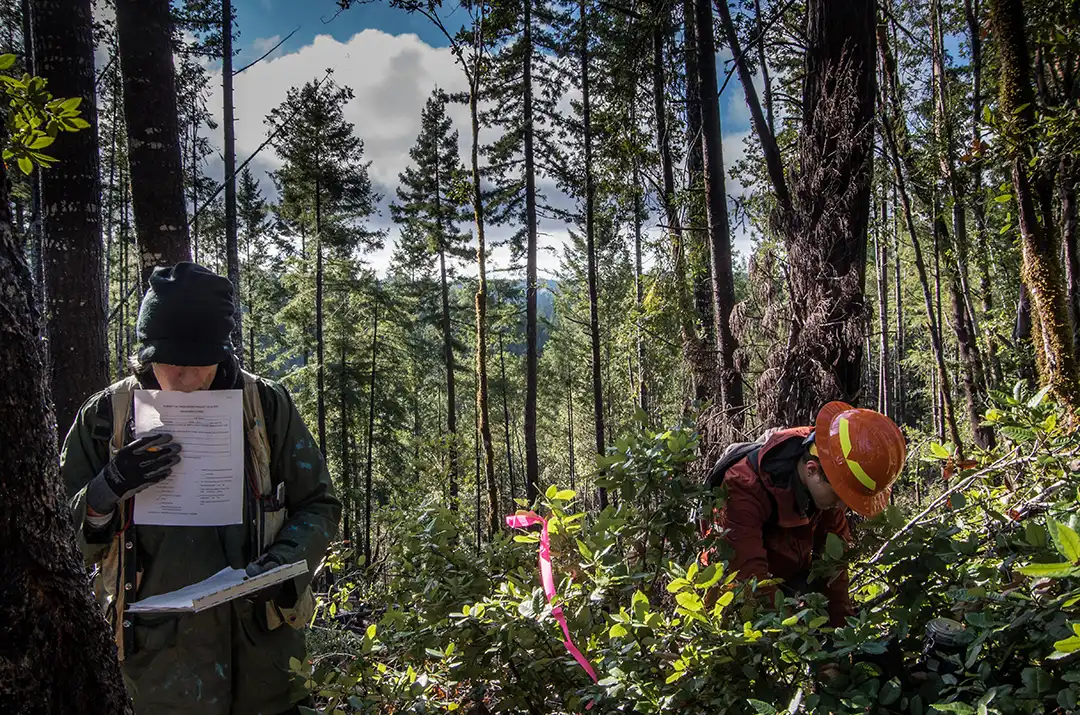
Track forest health, growth, wildlife habitat, and the results of our management work.
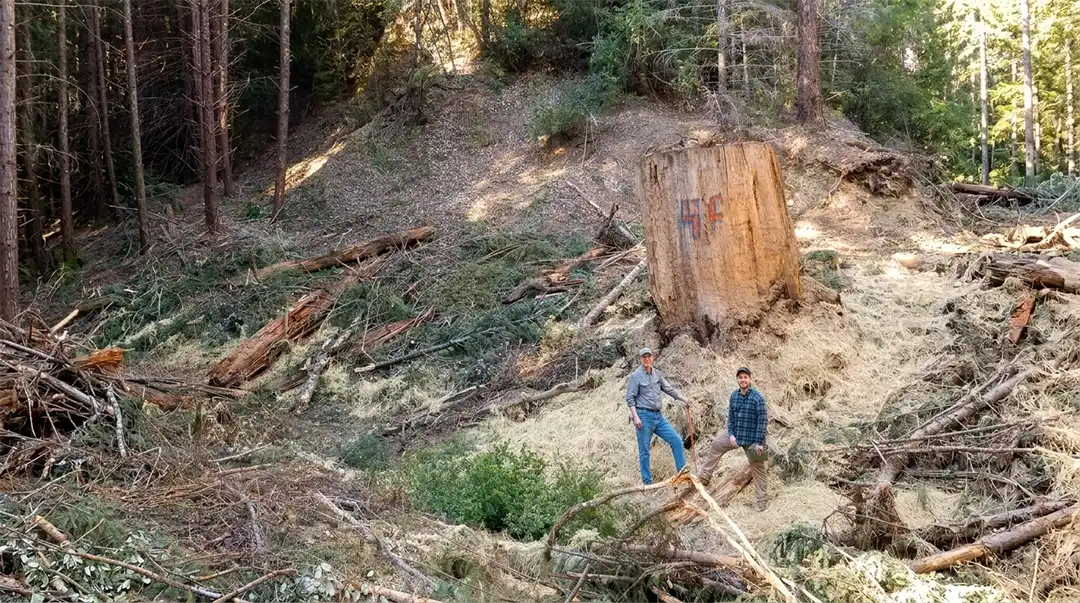
Since 2020
From old growth to young forest
Roads maintained and improved
Monitoring and adaptive management

Guide Usal toward a healthier, more diverse and resilient forest.
Support Forest Regeneration
Encourage redwood and Douglas-fir where suited; plant where needed.
Reduce Overcrowding
Reduce crowding in selected young stands to support healthier growth.
Retain Habitat Features
Keep large trees, snags, downed wood, and hardwoods.
Protect and Monitor
Protect sensitive areas and monitor the forest’s response.

Photos & Fieldwork
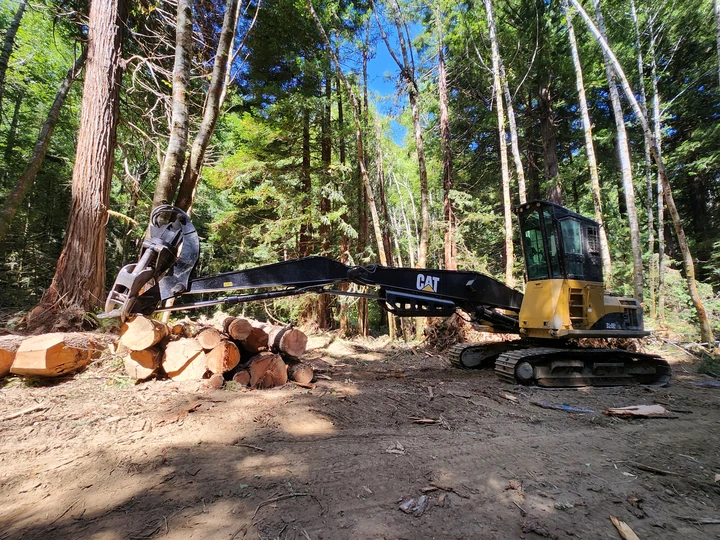
Project area and treatment planning across the Usal Forest.
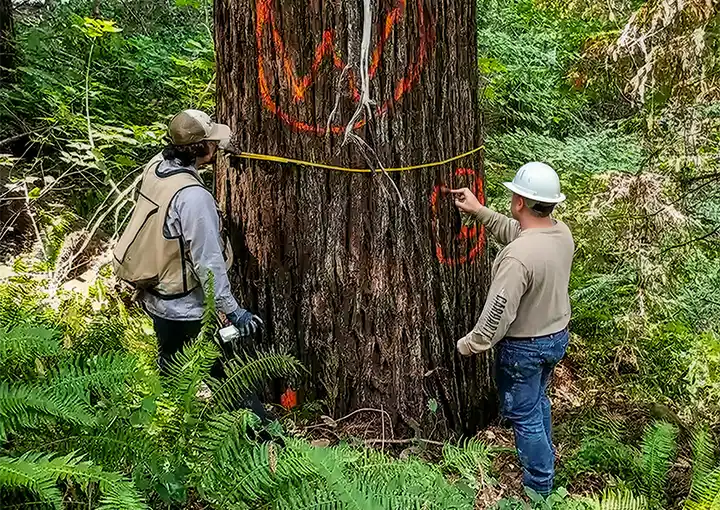
Field monitoring documents forest conditions and regeneration.
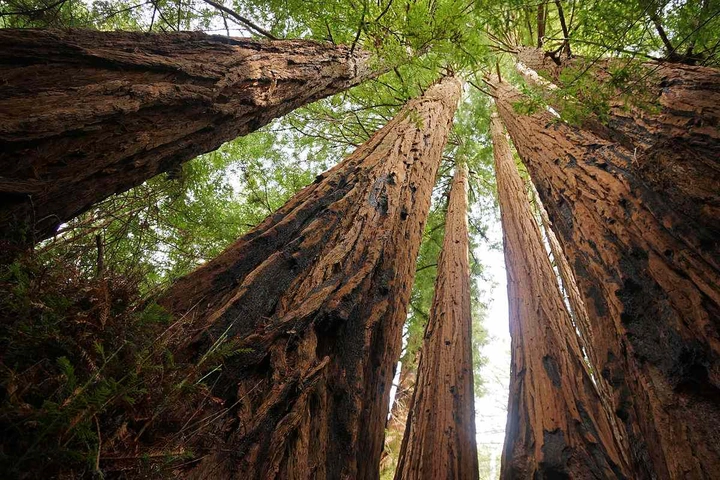
Restoration work helps create healthier, more open forest structure.
Every part of the forest is connected. Explore the work happening across Forest Management, Watershed Restoration, Biodiversity Conservation, and Monitoring.
support the forest